Documents
Check the rules for your nationality and entire itinerary. A transit through a non-EU country may require a passport even when Martinique is your final destination.

Beaches, the green north, Mount Pelée, rum, Fort-de-France, Le Marin and practical advice — all in one place, clearly organised and easy to use.
Your Martinique. Your own pace.
Choose a topic
This guide combines Agnes’s long-term experience of living on the island, material from the previous website and up-to-date tourism information. Select a topic to jump directly to the relevant section.
Sun, coves and different colours of sand
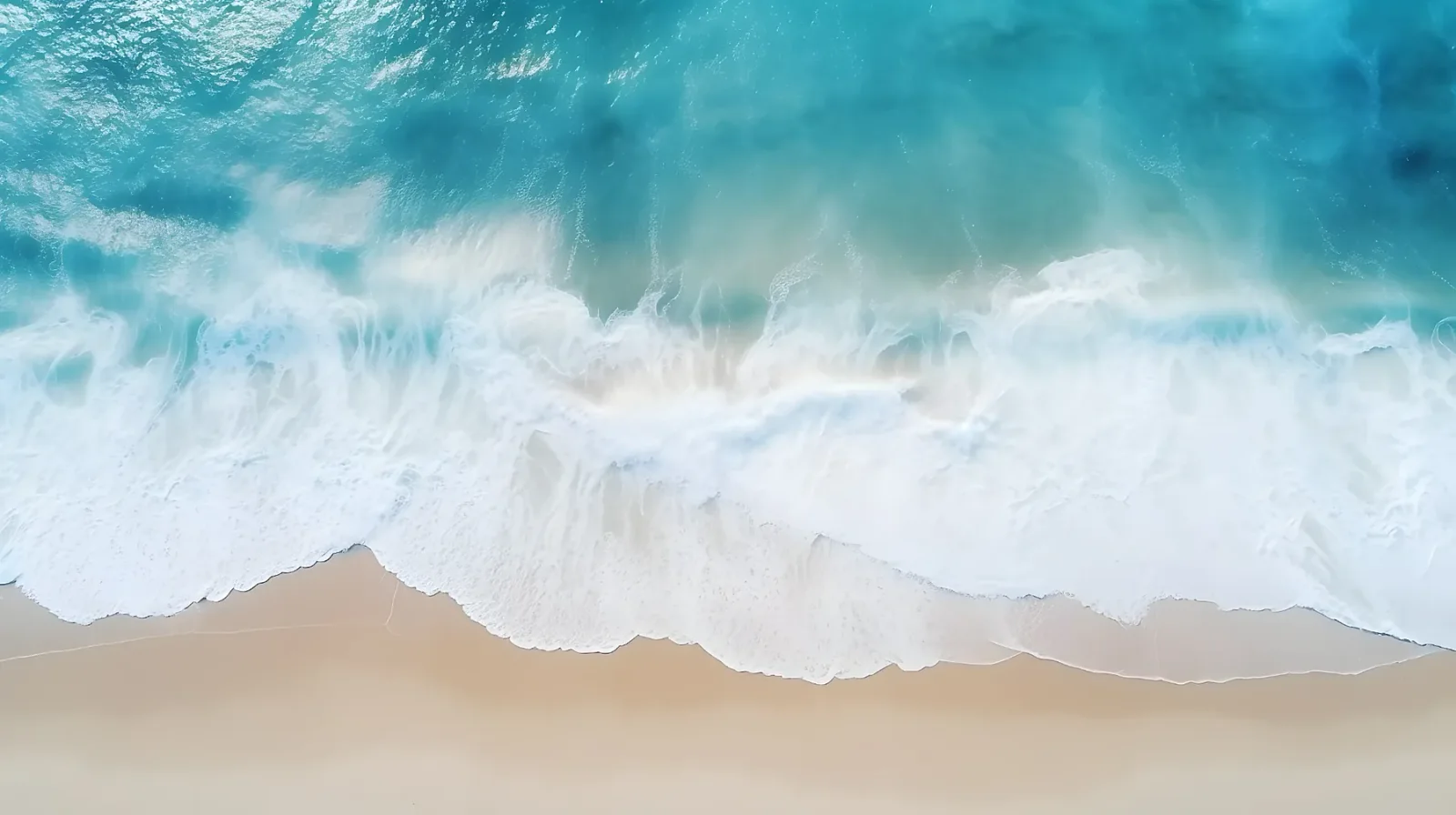
The south is known for pale sand and turquoise water. The north and west coast feel wilder, and several beaches have darker volcanic sand.
Plage des Salines in Sainte-Anne is the best-known. Other good options include Anse Dufour, Grande Anse d’Arlet, Anse Mitan, Anse Turin and the wild Anse Couleuvre. The right beach depends on the weather, waves, your accommodation and whether you want facilities, snorkelling or a quieter setting.
Nature, history and a wild coastline
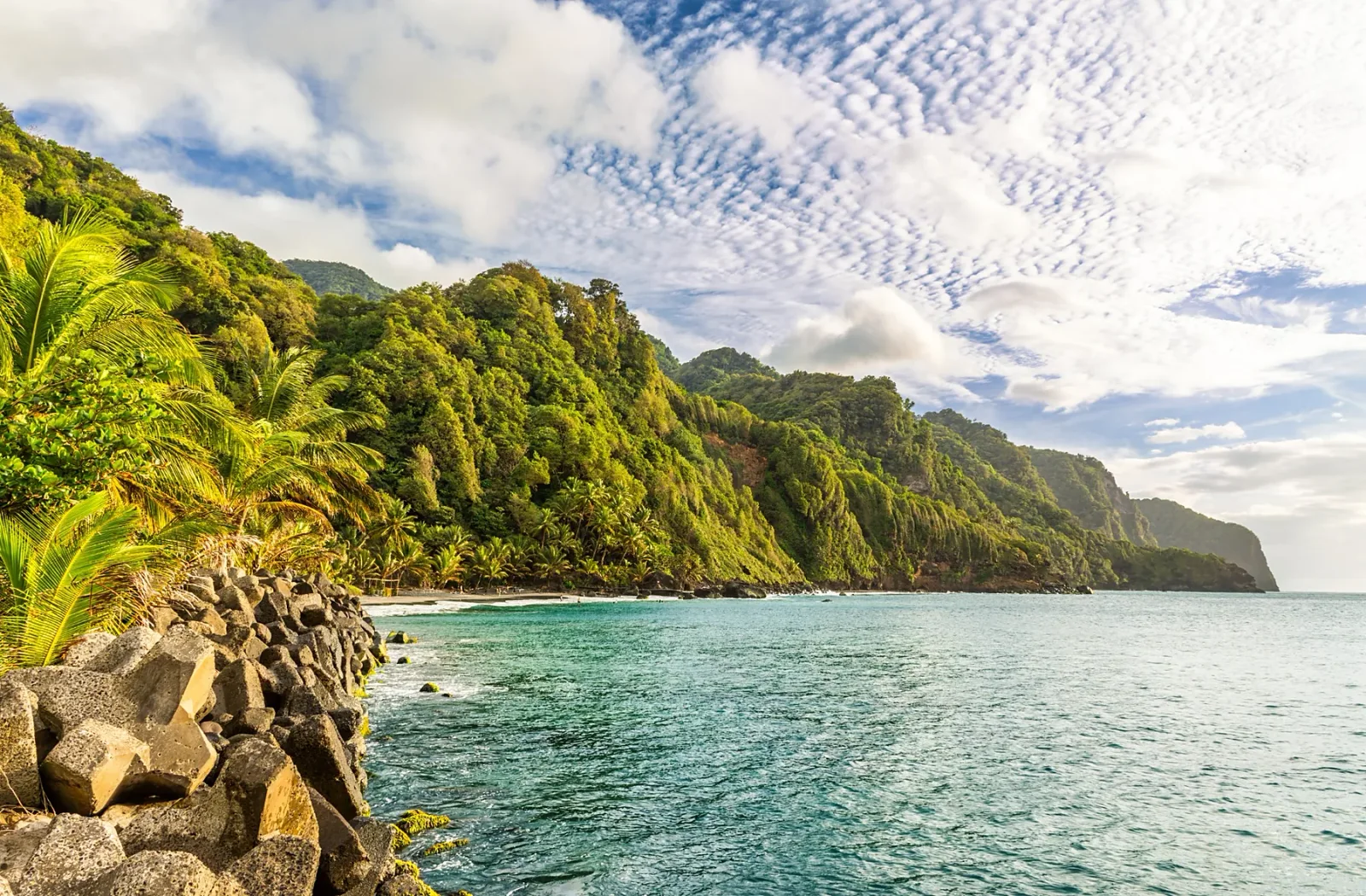
The north is more mountainous, humid and lush than the south. It suits travellers looking for nature, history, waterfalls and less resort-oriented landscapes.
Key places include Saint-Pierre, Le Carbet, Le Prêcheur, Anse Couleuvre and the area around Mount Pelée. Saint-Pierre is closely linked to the 1902 eruption, while northern routes reveal changing vegetation, grey and black beaches and striking views of the volcano.
Roads are winding and the weather can change faster than in the south. It is best to allow a full day and avoid combining too many distant stops.
View private tour ideas for the northThe island’s highest point
Mount Pelée rises to 1,397 metres and is one of Martinique’s defining landmarks. The volcano and the forests and peaks of northern Martinique were added to the UNESCO World Heritage List in 2023.
The ascent is not a casual beach walk. It requires suitable footwear, water, rain and wind protection and an honest assessment of fitness. The summit can be cool, windy and covered by cloud even when the coast is sunny.
Sugar cane and local craftsmanship
Martinique is famous for rhum agricole, produced from fresh sugar-cane juice. A distillery visit helps explain the production process, plantation history and the differences between styles of rum.
Several historic distilleries operate across the island, in both the north and the south. The best choice depends on the day’s route, current availability and your interest in production history.
Opening hours and access to production areas can change. Confirm details before visiting. Any tasting is for adults only; private transport is the safest option when it forms part of an adult itinerary.
Ask about a rum tourCity life, markets and architecture
Fort-de-France is the island’s administrative, economic and cultural centre. It offers a useful contrast to beaches and resort areas.
In the centre, look for the Schoelcher Library, Saint-Louis Cathedral, La Savane, the Grand Marché and the waterfront. Fort Saint-Louis can only be visited under specific conditions and at certain times, so access should be checked in advance.
The central area is best explored on foot, with transport used for drop-off, collection and combining the city with other places in central Martinique.
Yachting and the south of the island
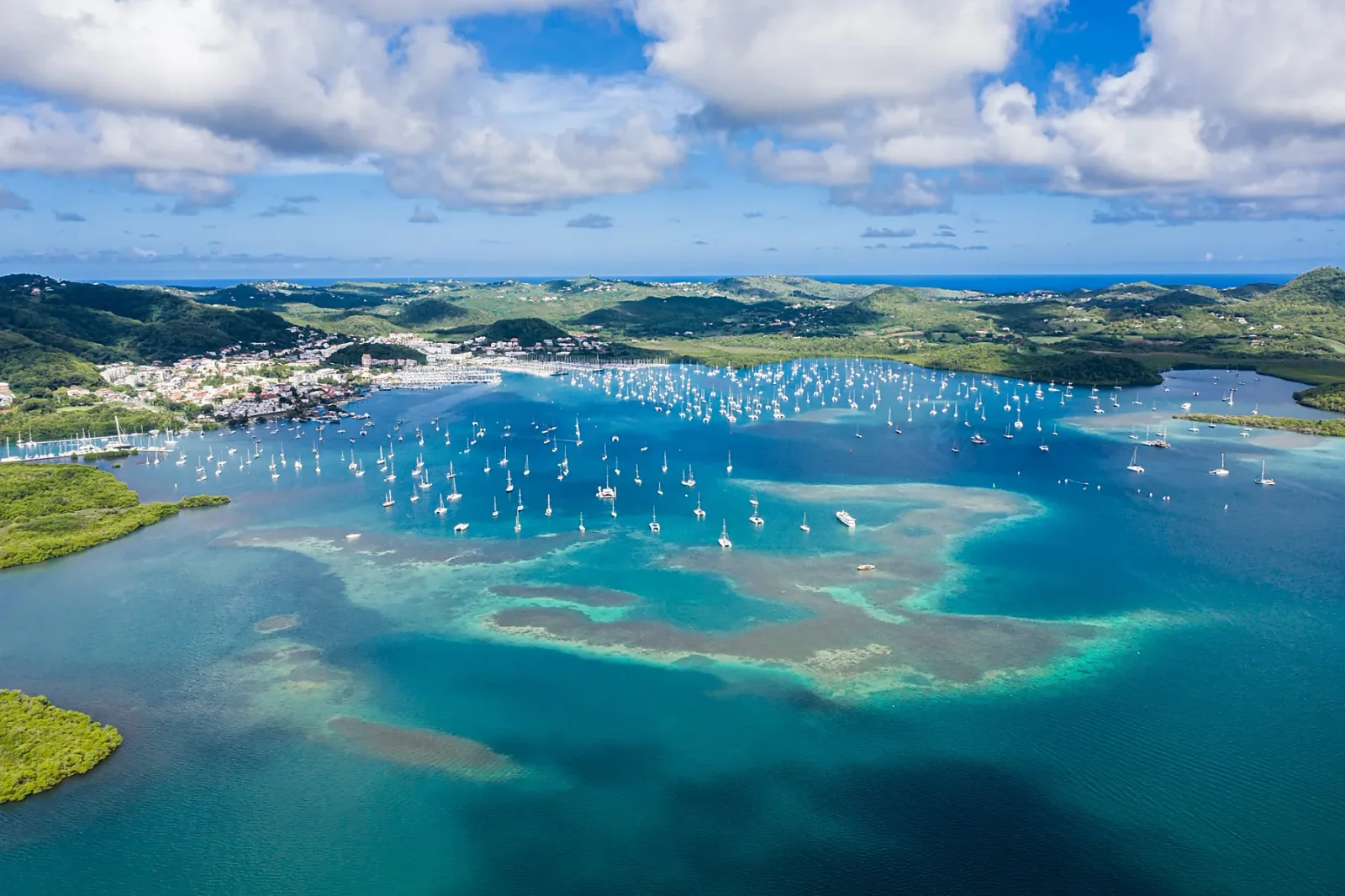
Le Marin is one of the Caribbean’s most important sailing bases and a natural starting or finishing point for cruises through the Lesser Antilles.
The marina area includes restaurants, shops, chandlers and provisioning services. It is also a useful base for southern beaches and coves such as Cap Macré, Cap Chevalier and Sainte-Anne.
Agnes provides transfers between the airport, marina, hotels and holiday rentals. For yacht transfers, send the exact pontoon or operator name, passenger number and luggage details in advance.
View transfers to and from Le MarinNature, history and culture
Martinique is much more than beaches. The island combines tropical gardens, memorial sites, colonial architecture, local markets, historic estates and volcanic heritage.
The best itinerary is not the one with the most stops. Grouping places in the same region leaves time for viewpoints, local food and a more relaxed pace.
Prepare with confidence
Travel requirements and opening hours can change. Use this checklist as a starting point and confirm documents, flights and airline rules before departure.
Check the rules for your nationality and entire itinerary. A transit through a non-EU country may require a passport even when Martinique is your final destination.
The currency is the euro. Cards are widely used, but a small amount of cash is useful at markets, car parks and small stalls.
French is the official language and Creole is also widely heard. Agnes communicates in Polish, French and English.
Traffic drives on the right, but roads are winding and journeys often take longer than the map suggests. Book airport transfers in advance.
Bring sun protection, water and a light waterproof layer. Northern and mountain areas can be cooler and wetter.
Check roaming terms with your provider before travelling. Download offline maps and save Agnes’s contact number.
Distilleries, museums and attractions may have different hours by day and season. Confirm the programme before setting out.
The vehicle carries up to four passengers. Agnes does not provide a child seat, so please travel with your own.
Frequently asked questions
No. The island looks small on a map, but roads are winding and journeys take time. A single region or a clear theme works much better for one day.
Yes. Send your dates, group size, accommodation area and interests. Agnes can then suggest a realistic transfer or tour plan.
The descriptions are general. Opening times, prices, trail access and visiting rules can change, so they should be confirmed before a specific visit.
The south is convenient for pale beaches and marinas, while the north is better for lush scenery, history and hiking. Choose your base according to the main purpose of your trip.
Martinique has many faces. Let me show you mine.
Message on WhatsApp